
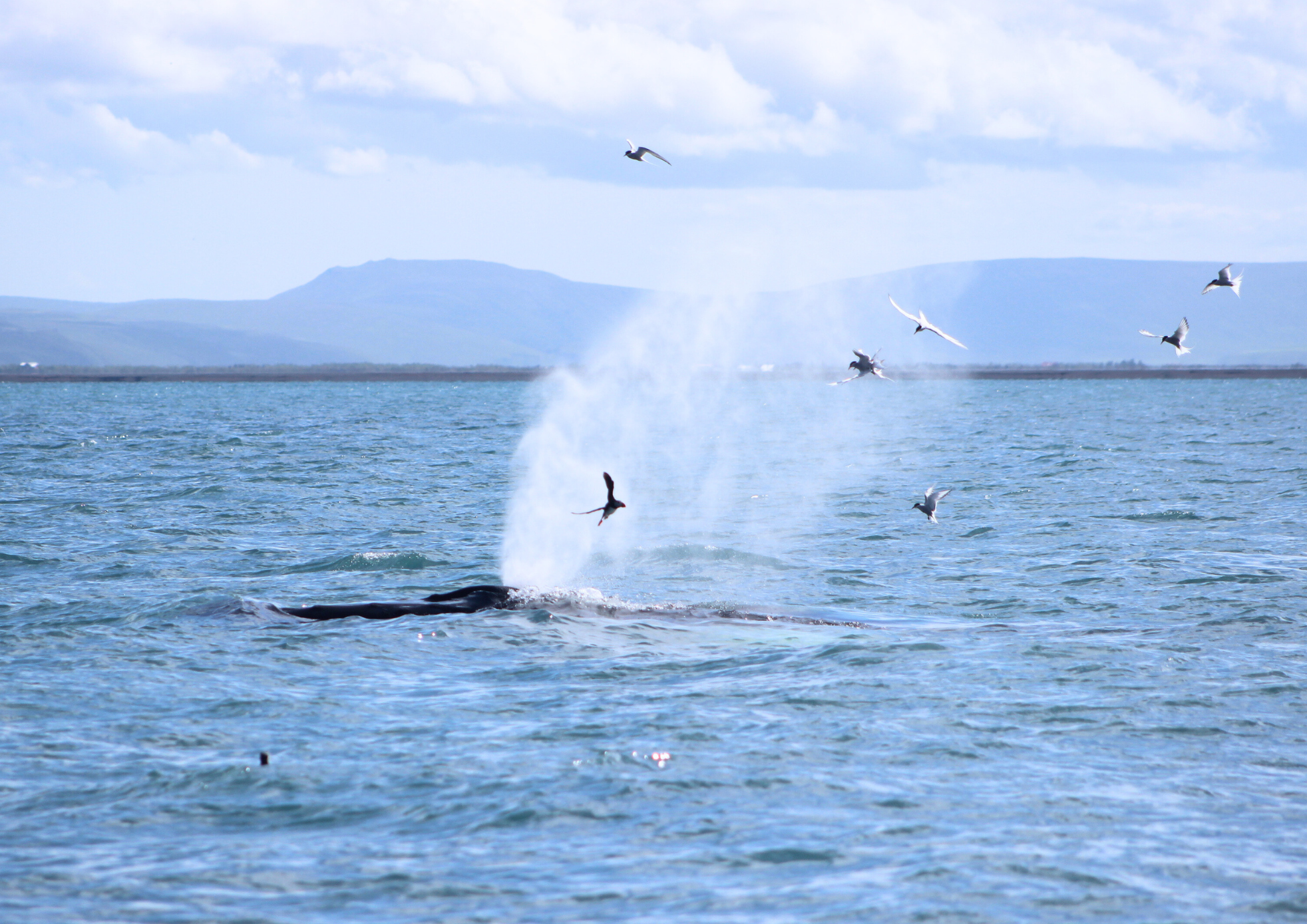
Whales of Húsavík
Killer Whale (Orca)
Orcinus orca (Linnaeus 1758)
-
Worldwide distribution
Medium size
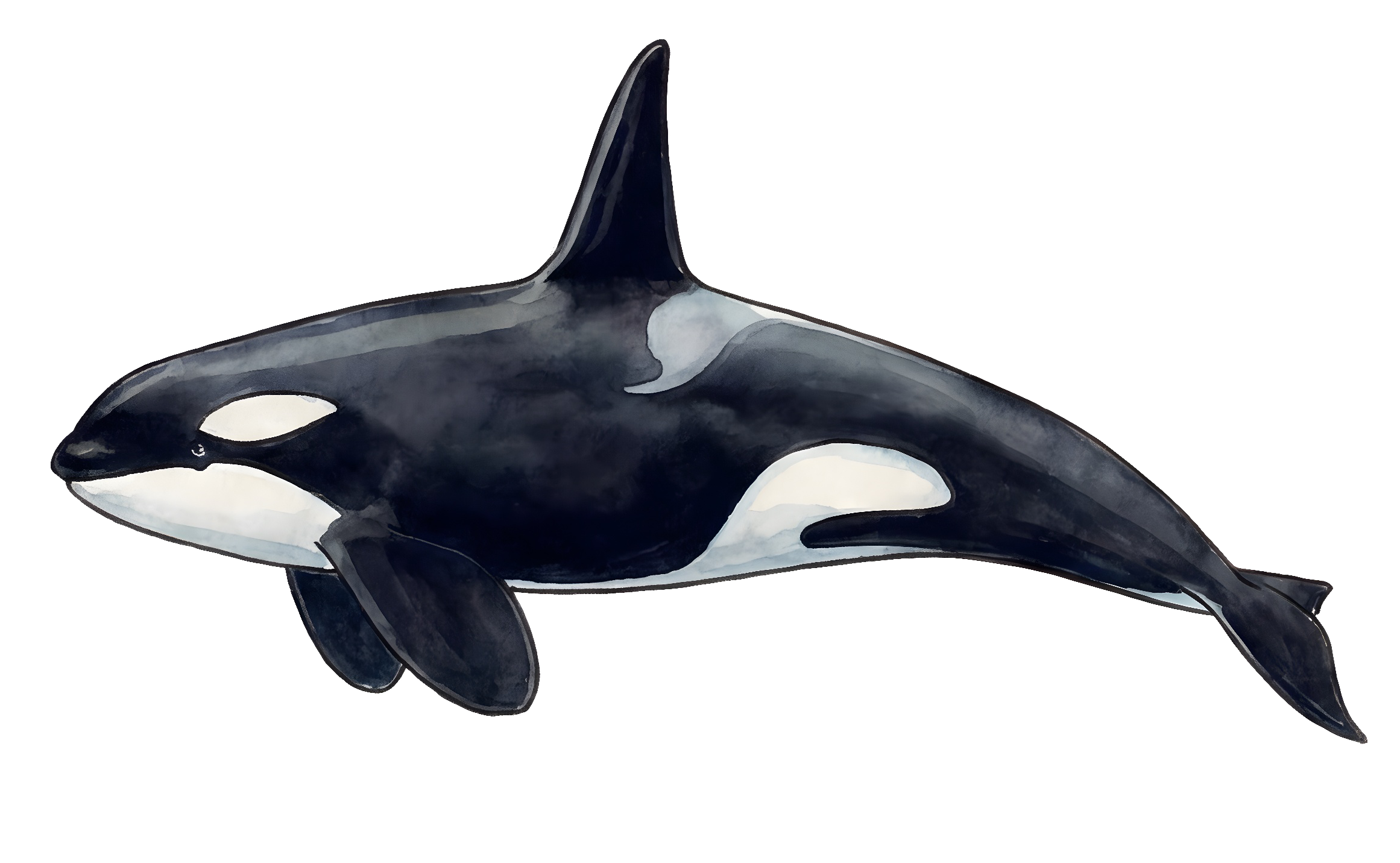
Two-tone body colouration, predominantly jet black, or grey, and white
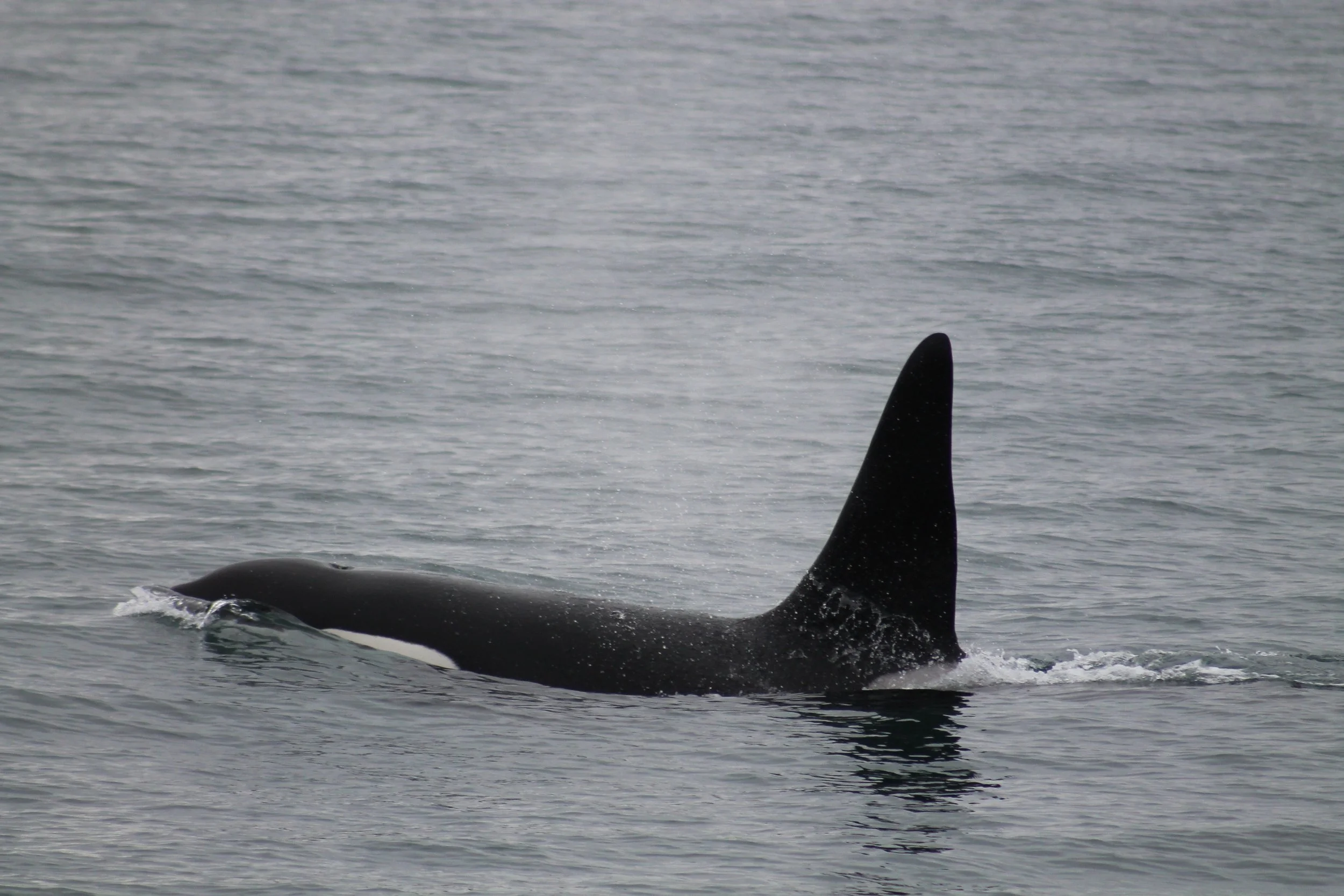
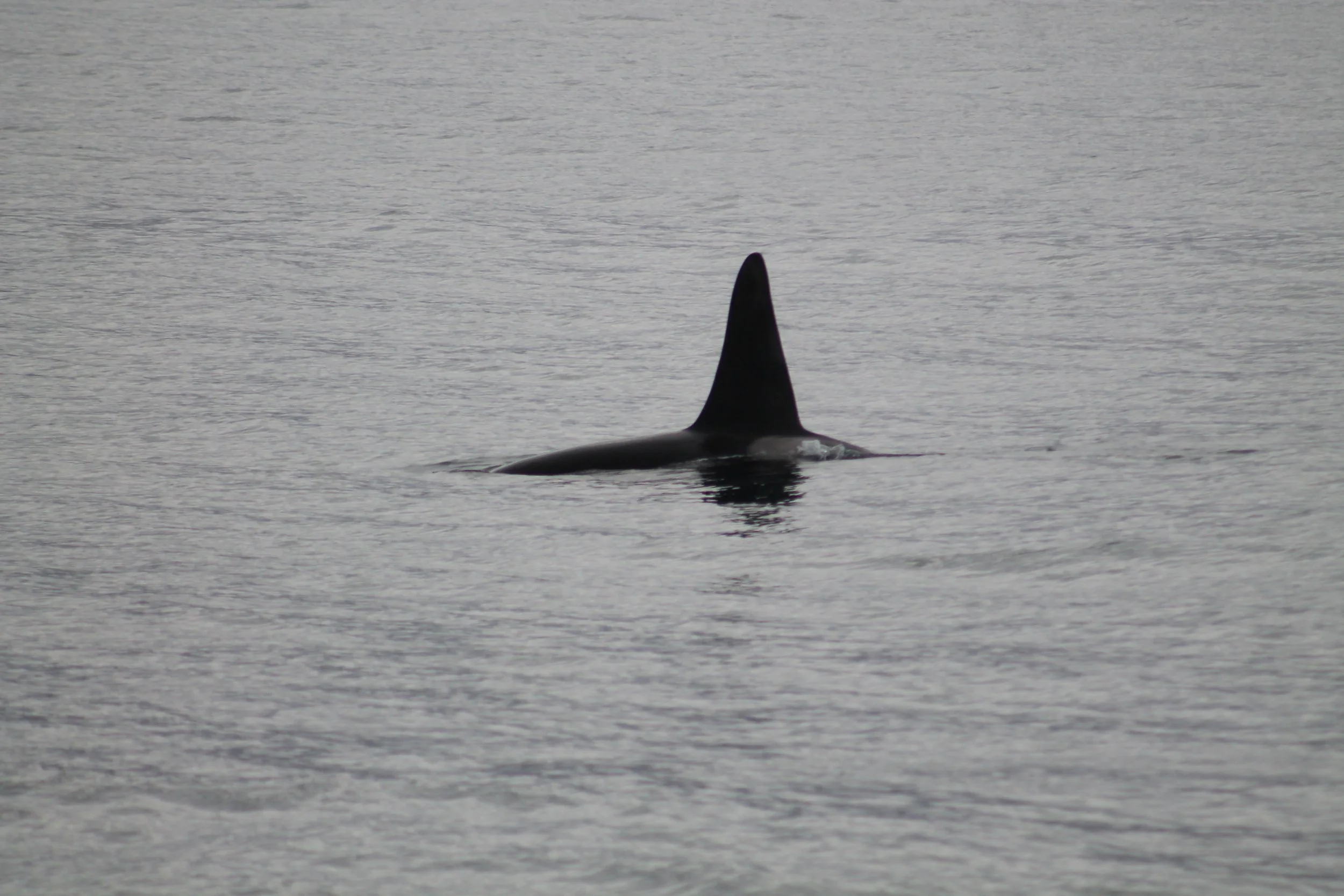
Males have an exceptionally tall dorsal fin
Pronounced sexual dimorphism
White patch above and behind each eye
Usually found in family groups
The term ecotype is used for ecologically distinct populations that do not interbreed, even if these inhabit the same waters
There’s suggestion of several distinct populations in the North Atlantic - including Iceland - but there is no agreement on specific ecotypes and if, indeed, they exist
-
On average:
Male: 5,6 to 9 m
Female: 4,5 to 7 m
Approximate weight: ca. 1,3 to 6,6 tonnes
High sexual dimorphism, with mature males typically up to 17 % longer and 40 % heavier than mature females
Body size varies considerably among ecotypes
-
Maximum recorded dive time is 16 minutes
-
Average lifespan for males is 29 years, with a maximum recorded of 60 years
Average lifespan for females is 50 years, with a maximum of 100+ years
-
IS: Háhyrningur
DE: Schwertwal
FR: Orque
IT: Orca
ES: Orca
PT: Orca
PL: Orka
Orcas in Iceland
Few animals are as instantly recognisable, or widely misunderstood, as the killer whale or orca. Orcinus orca is the largest member of the dolphin family and one of the most intelligent predators in the ocean. In Iceland, killer whales are most commonly associated with herring, and their presence in Skjálfandi Bay often depends on the availability of prey.
They live in tightly structured social groups called pods, usually composed of related individuals. These groups are stable over time and exhibit complex behaviours, communication systems, and hunting techniques. Different populations may specialise in different types of prey, some focusing on fish, others on marine mammals.
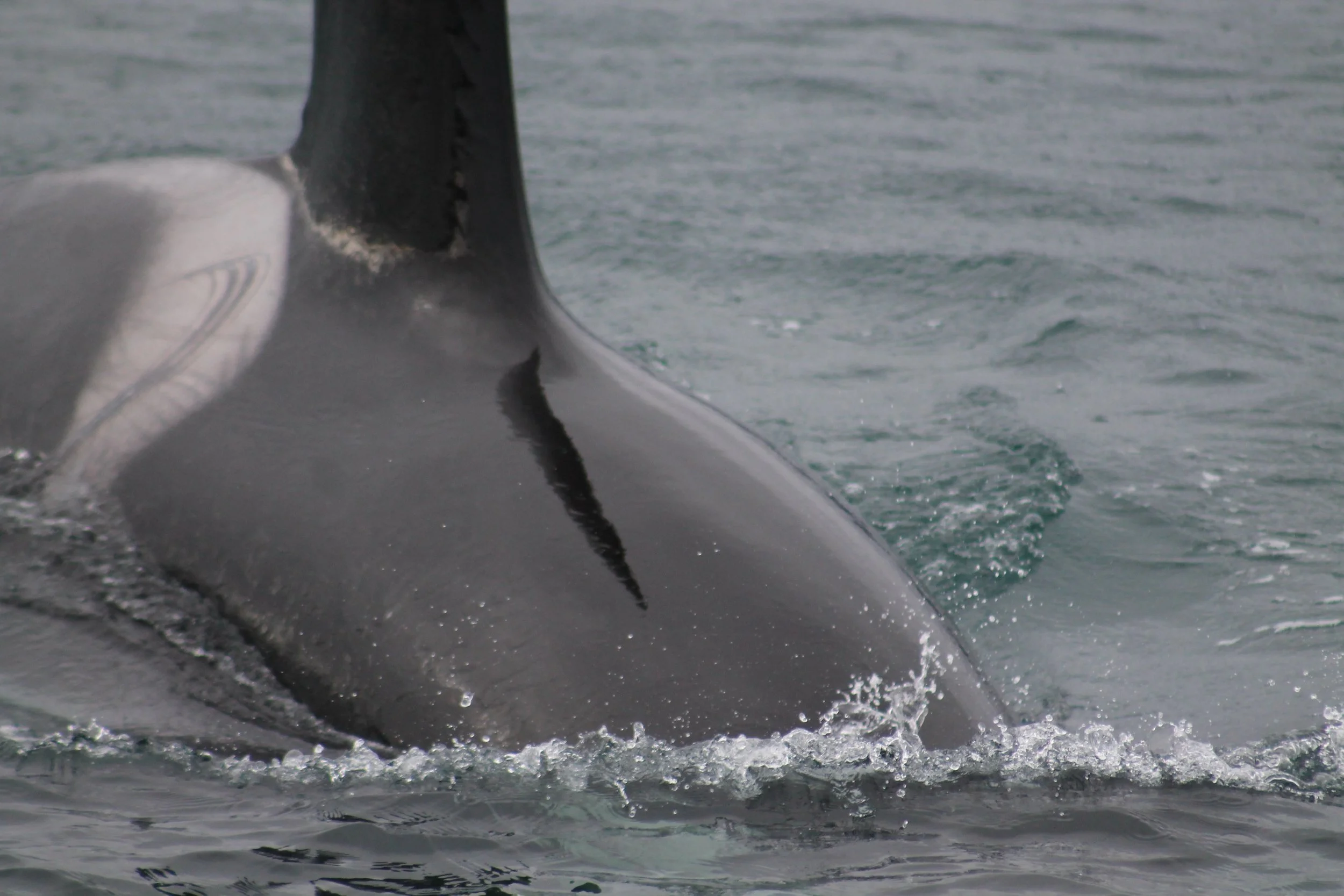
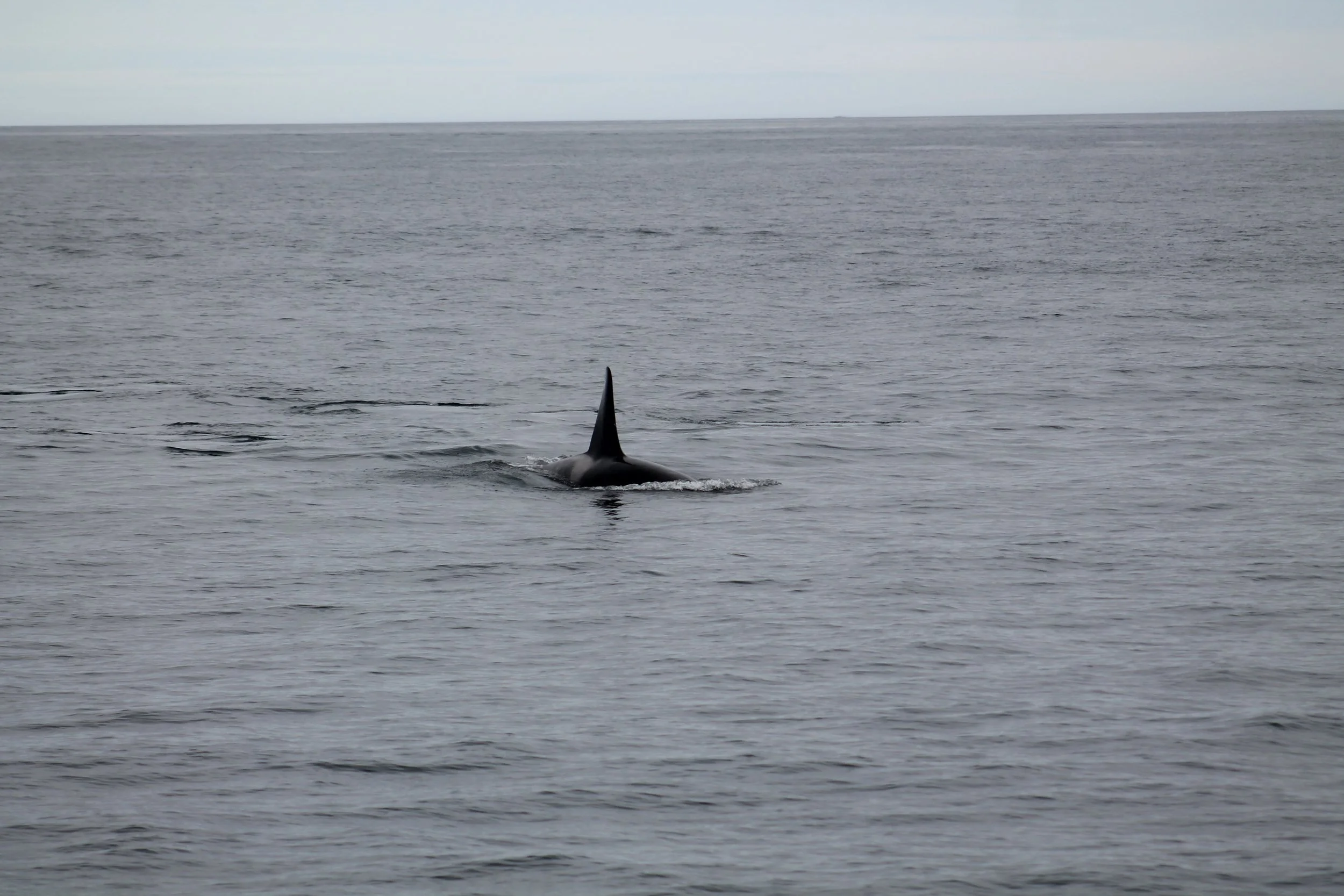
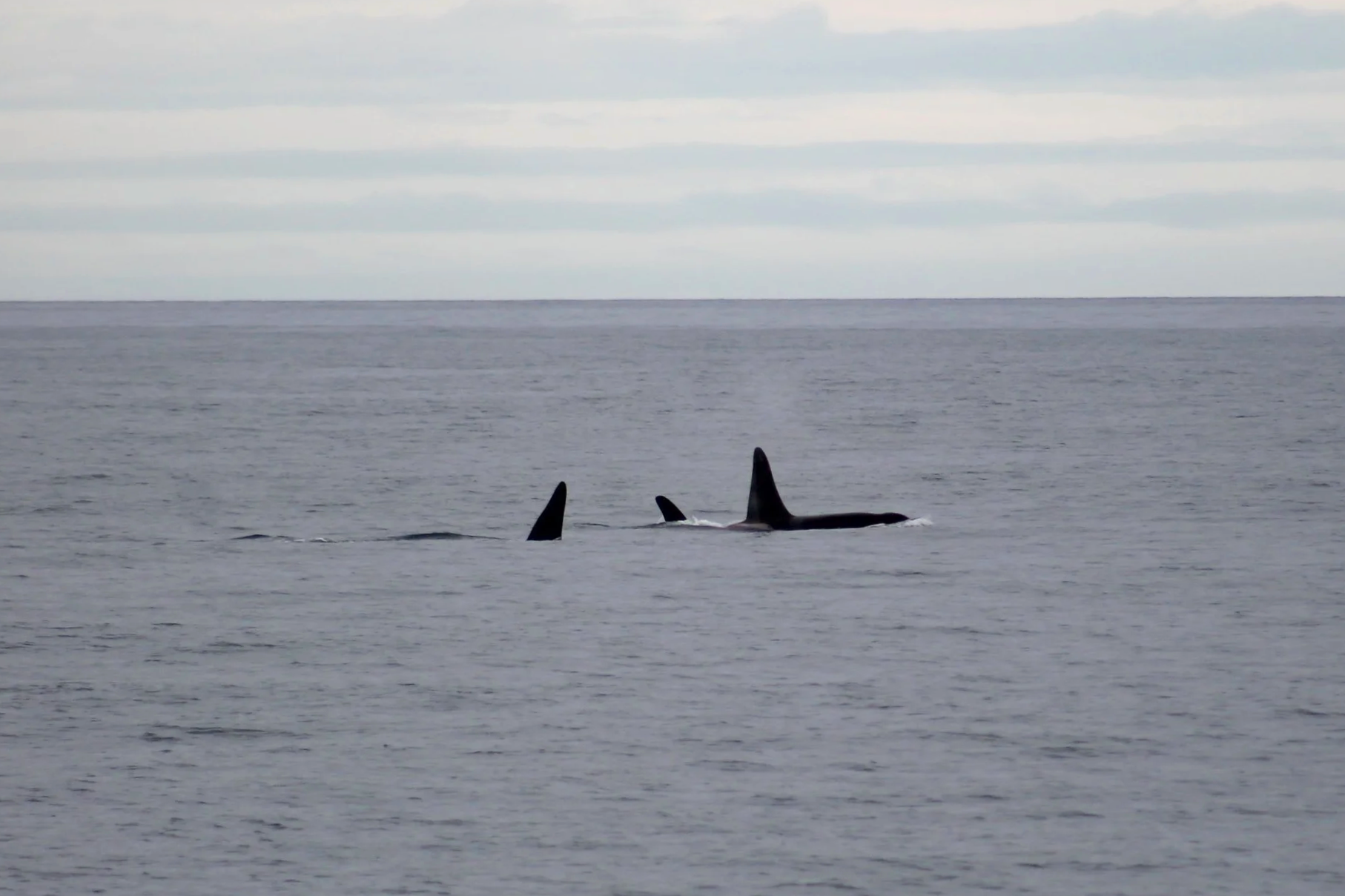
At the surface, killer whales are unmistakable. Their black-and-white coloration stands out sharply against the sea, and their dorsal fin can reach up to 1.8 metres in height, especially in adult males. Females and juveniles have smaller, curved fins.
Their behaviour is often coordinated. Individuals surface together, travel in formation, and may spread out when hunting. Vocalisations include clicks, whistles, and pulsed calls, often described as distinct “dialects” between groups.
As apex predators, they have no natural enemies and play a key role in shaping marine ecosystems.
Seeing killer whales in Skjálfandi Bay is always a powerful moment, not just for their appearance, but for the sense of intelligence and coordination they bring to the surface.